Energy-Efficient Roof Upgrades for Sustainable ACT Homes
A well-designed roof helps Canberra homes stay warmer through frosty winters and cooler during hot summer afternoons. Energy-efficient upgrades can reduce unwanted heat transfer, improve comfort and lower heating and cooling demand. The best results come from treating the roof covering, ceiling insulation, air sealing and moisture control as one system.
Start With a Roof and Ceiling Assessment
Before choosing materials, arrange an inspection of the roof covering, flashings, gutters and accessible roof space. Water leaks, damaged insulation and uncontrolled air leakage can undermine energy performance. Repair these issues before installing additional insulation or solar panels.
For Canberra’s cool temperate climate, ask an assessor or suitably qualified installer to consider winter heat retention as well as summer cooling. A roof upgrade should suit the home’s construction, orientation, existing insulation and ventilation arrangements.
Upgrade Ceiling Insulation and Reduce Draughts
Continuous, correctly installed ceiling insulation is a priority. Gaps around ceiling edges, displaced batts and compressed insulation reduce effectiveness. Ask your installer to assess the existing insulation’s condition and recommend an appropriate total R-value, which measures resistance to heat flow.
Seal unintended air leaks around ceiling penetrations and fit a draught-sealed, insulated ceiling access hatch where practical. Electrical fittings, flues and heat-producing equipment require appropriate clearances. Insulation must not cover equipment or obstruct ventilation contrary to installation requirements.
Check ACT Rental Requirements
As of 2026, ACT rental properties subject to the minimum ceiling insulation standard generally need an upgrade to R5 where existing ceiling insulation is below R2, subject to applicable exemptions and compliance timeframes. Owners should confirm their property’s obligations through current ACT Government guidance rather than assume that general renovation advice satisfies rental requirements.
Choose Roof Materials for Canberra’s Climate
Lighter-coloured, solar-reflective roofing generally absorbs less sunlight than darker finishes, helping reduce summer roof temperatures. However, the best roof colour is not a one-size-fits-all choice. Canberra also has substantial winter heating needs, so consider roof colour alongside insulation, shading and whole-home energy performance.
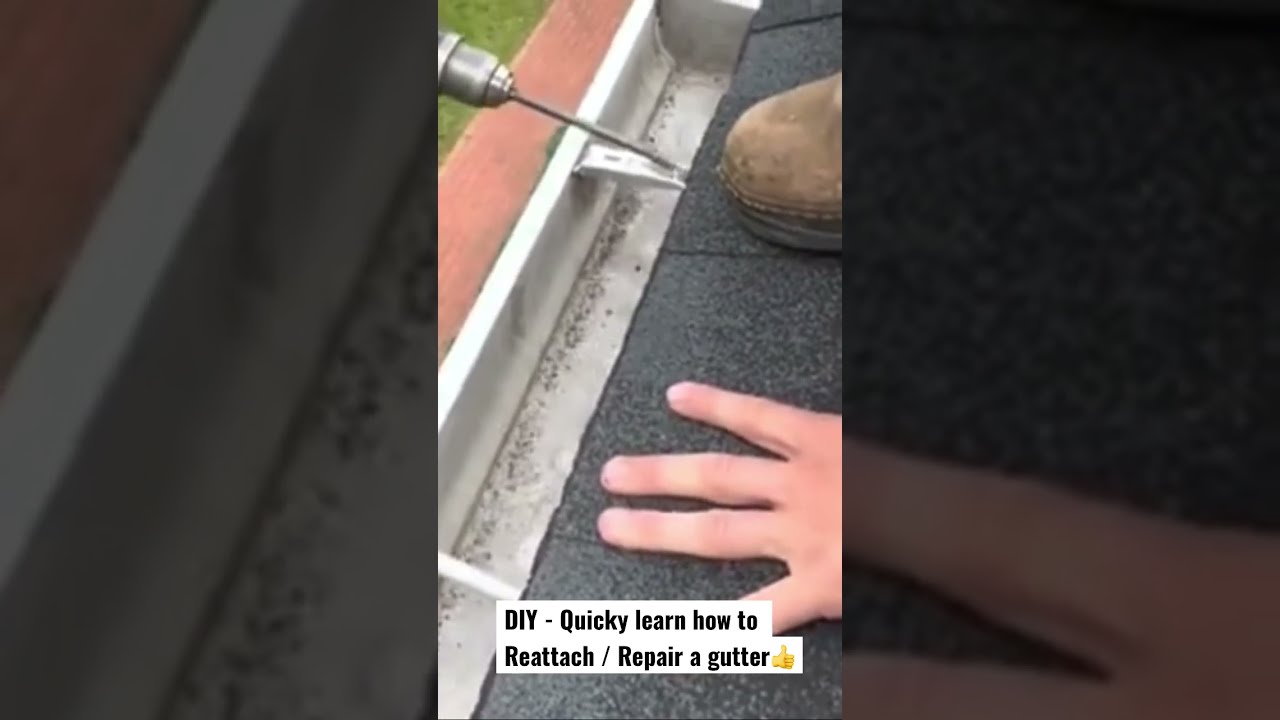
When replacing roofing, compare durability, maintenance requirements, manufacturer warranties and suitability for local conditions. Check heritage controls, relevant bushfire construction requirements and approval requirements before changing roof materials or appearance.
Manage Condensation and Ventilation
Cold roof surfaces can collect condensation when warm, moisture-laden indoor air enters the roof space. This can dampen insulation and contribute to mould or timber deterioration. Ensure bathroom, kitchen and laundry https://canberraroofrestorationexperts.com.au exhaust systems discharge outdoors rather than into the roof cavity.
Roof ventilation, roof underlay and insulation should be designed together. Adding a roof ventilator alone does not guarantee lower energy bills or solve condensation. Ask a qualified practitioner to assess moisture sources, air leakage and suitable ventilation pathways before making changes.
Coordinate Roofing Work With Solar Installation
If rooftop solar is planned, assess the roof’s condition and remaining service life first. Repairing or replacing roofing before panel installation can avoid the cost of removing and reinstalling panels later. A solar installer should assess shading, orientation, structural suitability and electrical requirements.
Solar panels generate electricity; they do not replace insulation or weatherproofing. Combining solar with measures that reduce household energy demand supports a more efficient home.
Plan Your Upgrade in the Right Order
- Inspect the roof and repair leaks, drainage faults and damaged materials.
- Assess ceiling insulation, draughts and condensation risks.
- Obtain itemised quotes covering materials, installation details and compliance responsibilities.
- Coordinate roof replacement, insulation and solar work to minimise repeat labour.
- Check current ACT Government assistance, eligibility conditions and approval requirements before committing.
For a sustainable Canberra home, prioritise sound weatherproofing, effective insulation and careful installation over isolated products or promised savings. Request recommendations specific to your property, and treat estimated energy savings as dependent on household use, existing conditions and the quality of the completed work.
Canberra Roof Restoration Experts
(02) 6105 9817